
Canberra is renowned for its stunning natural landscapes and diverse native tree species. The city’s gardens, parks, and bushlands are home to a rich variety of trees, from tall eucalypts to ornamental wattles. Maintaining these trees in optimal health is essential, not only for aesthetic reasons but also for environmental balance.
One of the most effective ways to ensure the health and vitality of Canberra’s trees is tree pruning Canberra. This practice involves carefully trimming branches and foliage to enhance tree growth, improve safety, and boost overall tree health.
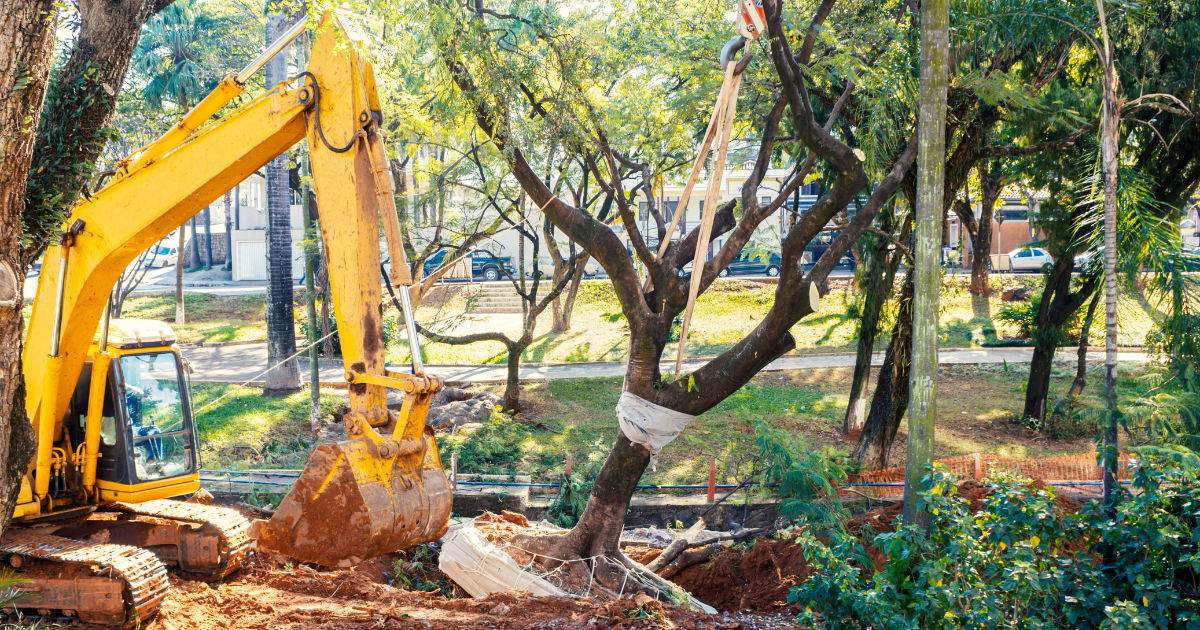
In this comprehensive guide, we will explore the benefits, techniques, and considerations of tree pruning Canberra, focusing on its impact on native trees.
Whether you are a homeowner, gardener, or environmental enthusiast, understanding the principles of tree pruning can help you preserve Canberra’s green heritage and support its urban ecosystem.
Tree Pruning
Tree pruning is the selective removal of specific parts of a tree, including branches, buds, or roots. It is more than just trimming unsightly branches—it is a scientifically guided process designed to improve tree health and structural integrity. For Canberra’s native trees, pruning helps in managing growth patterns, reducing the risk of disease, and ensuring that trees thrive in both urban and natural environments.
Why Tree Pruning Matters
The importance of tree pruning Canberra cannot be overstated. Trees are living organisms that respond to their surroundings. Over time, branches may become damaged, diseased, or overcrowded, restricting sunlight and airflow. Pruning addresses these issues by:
-
Encouraging healthy growth
-
Preventing disease spread
-
Improving tree safety
-
Enhancing aesthetic appeal
Neglecting tree pruning can lead to structural weaknesses, making trees more susceptible to storm damage or decay. For native species, proper pruning mimics natural growth patterns while supporting the ecosystem.
Benefits of Tree Pruning for Canberra’s Native Trees
Promotes Healthy Growth
One of the primary benefits of tree pruning Canberra is promoting healthy growth. By removing dead, damaged, or overcrowded branches, trees can redirect energy to the remaining healthy parts. This helps in strengthening the trunk and supporting root development. For native trees like the Yellow Box, Red Gum, or Silver Wattle, pruning ensures they continue to thrive in Canberra’s climate.
Enhances Tree Structure
Proper pruning shapes trees in a way that balances their branches, preventing uneven growth. This structural enhancement reduces the risk of branches breaking during strong winds or heavy rain—a common occurrence in Canberra’s seasonal weather. Over time, well-structured trees are less prone to injuries and decay.
Improves Sunlight Penetration
Dense foliage can block sunlight from reaching the inner parts of the tree. By carefully thinning branches, tree pruning Canberra improves sunlight penetration, which is vital for photosynthesis. Increased sunlight also benefits the surrounding plants and the overall garden ecosystem.
Reduces Risk of Disease
Diseases and pests often target weak or overcrowded branches. Regular pruning removes infected or damaged branches before they spread, maintaining the overall health of the tree. For native trees, this is especially important, as some species are more susceptible to fungal infections or insect infestations.
Encourages Flowering and Fruiting
Certain native trees in Canberra, such as wattles and grevilleas, require pruning to stimulate flowering and fruiting. By removing older branches and promoting new growth, pruning can increase the production of flowers and seeds, supporting both aesthetic beauty and biodiversity.
Enhances Safety
Urban environments require trees to be safe for residents and infrastructure. Overgrown branches can obstruct roads, pathways, or power lines. Tree pruning Canberra minimizes these hazards by removing weak or protruding branches, reducing the risk of accidents.
Boosts Aesthetic Appeal
Well-pruned trees contribute significantly to the visual appeal of Canberra’s landscapes. Clean lines, balanced foliage, and healthy trees enhance property values and create pleasant public spaces. Pruning is both a practical and artistic process that transforms trees into living works of art.
Types of Tree Pruning Techniques
Crown Thinning
Crown thinning involves selectively removing branches within the tree’s canopy. This technique reduces weight, increases airflow, and allows more sunlight to penetrate. Crown thinning is particularly beneficial for native trees that have dense foliage, preventing overcrowding and promoting overall vitality.
Crown Reduction
Crown reduction focuses on reducing the height or spread of the tree while maintaining its natural shape. It is ideal for urban areas where space is limited. Crown reduction is a controlled method to ensure native trees do not interfere with power lines, buildings, or other infrastructure.
Deadwood Removal
Removing dead, dying, or diseased branches is a crucial pruning technique. Deadwood not only poses a safety risk but also attracts pests and diseases. Tree pruning Canberra often emphasizes deadwood removal to maintain tree health and structural integrity.
Formative Pruning
Formative pruning is typically applied to young trees to shape them for future growth. By guiding branch structure early, this method prevents structural weaknesses and ensures that native trees grow strong and resilient in Canberra’s environment.
Crown Lifting
Crown lifting involves removing lower branches to increase clearance beneath the tree. This is particularly useful for pathways, roads, and public areas. Crown lifting enhances safety while still maintaining the natural beauty of native trees.
Tools and Equipment for Tree Pruning
Proper tools are essential for effective tree pruning Canberra. Using the wrong equipment can harm the tree and pose safety risks. Common tools include:
-
Hand pruners: For small branches and precise cuts
-
Loppers: For medium-sized branches up to 50mm
-
Pruning saws: For larger branches and deadwood
-
Pole pruners: For high branches without using ladders
-
Safety gear: Gloves, helmets, eye protection, and harnesses
Maintaining clean and sharp tools is critical to prevent the spread of diseases and ensure clean cuts.
Best Practices for Tree Pruning Canberra
Timing is Key
Timing is crucial for successful pruning. Most native trees respond best to pruning during late winter or early spring when growth is about to begin. This reduces stress and encourages new growth. Avoid pruning during extreme heat or heavy frost, as this can damage the tree.
Follow Natural Growth Patterns
Effective tree pruning Canberra follows the natural growth pattern of the tree. Cuts should be made at the branch collar to allow proper healing. Avoid excessive pruning, which can weaken the tree or cause irregular growth.
Prune for Health, Not Just Appearance
While aesthetics are important, the primary focus of pruning should be tree health. Removing weak or diseased branches, improving airflow, and promoting balanced growth should always take priority over purely cosmetic trimming.
Avoid Topping
Topping, or cutting the main trunk or large branches indiscriminately, is harmful to trees. It can lead to weak growth, disease susceptibility, and even death. Professional pruning focuses on selective removal rather than drastic cutting.
Consider Environmental Factors
Canberra’s native trees are adapted to local soil, climate, and wildlife. Pruning should consider these factors to minimize stress. For example, providing enough canopy for birds and maintaining ground shade for soil moisture are essential considerations.
Hire Professionals When Necessary
Some pruning tasks, especially for large or hazardous trees, require professional expertise. Certified arborists understand tree pruning Canberra techniques and can safely manage high or complex trees while promoting health and longevity.
Challenges in Tree Pruning Canberra
Urban Constraints
In urban areas, space limitations, power lines, and infrastructure can complicate pruning efforts. Ensuring safety while preserving tree health requires careful planning and expertise.
Disease and Pest Management
Pruning must consider existing diseases and pests. Improper cuts or contaminated tools can spread infections. Regular monitoring and preventative measures are essential for maintaining native tree health.
Environmental Impact
Over-pruning can negatively affect local ecosystems. Native trees provide habitat, shade, and food for birds, insects, and mammals. Pruning should balance human needs with environmental preservation.
Common Myths About Tree Pruning
Pruning Always Stimulates Growth
While pruning can encourage new growth, excessive pruning can stress trees and slow growth. Targeted pruning is more effective than indiscriminate cutting.
Any Cut is Fine
Incorrect cuts can harm trees and create long-term health issues. Knowledge of proper techniques is essential for safe and effective pruning.
All Trees Need Annual Pruning
Not all native trees require yearly pruning. Some species thrive with minimal intervention. Assessing tree health and growth patterns helps determine the appropriate pruning schedule.
How Tree Pruning Supports Canberra’s Ecosystem
Pruning native trees in Canberra contributes to a healthy urban ecosystem. By maintaining strong, healthy trees, pruning ensures:
-
Enhanced biodiversity by supporting native wildlife
-
Improved air quality through healthy foliage
-
Soil stabilization and reduced erosion
-
Reduced stormwater runoff through strong canopy structures
These environmental benefits highlight that tree pruning Canberra is not just a cosmetic or safety measure—it is a critical component of urban forestry management.
DIY Tree Pruning Tips for Homeowners
While professional arborists are recommended for large or hazardous trees, homeowners can perform minor pruning safely:
-
Use sharp, clean tools
-
Focus on small, dead, or diseased branches
-
Avoid cutting more than 20% of the canopy at once
-
Always follow natural branch lines
-
Wear safety gear
Regular observation and small interventions can prevent larger problems and support the long-term health of your native trees.
Conclusion
Tree pruning Canberra is a vital practice that enhances the health, structure, and beauty of Canberra’s native trees. From promoting healthy growth to reducing disease risk and improving safety, pruning is a multifaceted tool that supports both individual trees and the wider urban ecosystem. Proper techniques, timing, and attention to natural growth patterns are essential for successful pruning.
By understanding and applying these principles, Canberra residents and landscapers can ensure that native trees continue to thrive for generations to come. Regular pruning not only maintains the aesthetic charm of the city but also preserves its environmental integrity, providing habitat for wildlife, improving air quality, and supporting sustainable urban greenery.
Whether you are a homeowner caring for a backyard wattle or a city planner managing public green spaces, embracing tree pruning Canberra practices is a commitment to the longevity and vibrancy of Canberra’s native trees. Healthy trees create a thriving, balanced ecosystem and a visually appealing environment that benefits all residents and visitors.
Ultimately, tree pruning is more than just a maintenance task—it is an investment in the future of Canberra’s natural landscape. By respecting the unique needs of native trees and implementing informed pruning practices, we can preserve the city’s green legacy while fostering a healthier and safer urban environment.