
If you’re a homeowner, gardener, or even a professional landscaper in Canberra, knowing when and how to prune your trees is crucial for their health, growth, and beauty. Tree pruning isn’t just about shaping a tree; it’s about ensuring proper growth, preventing disease, and improving fruit and flower production.
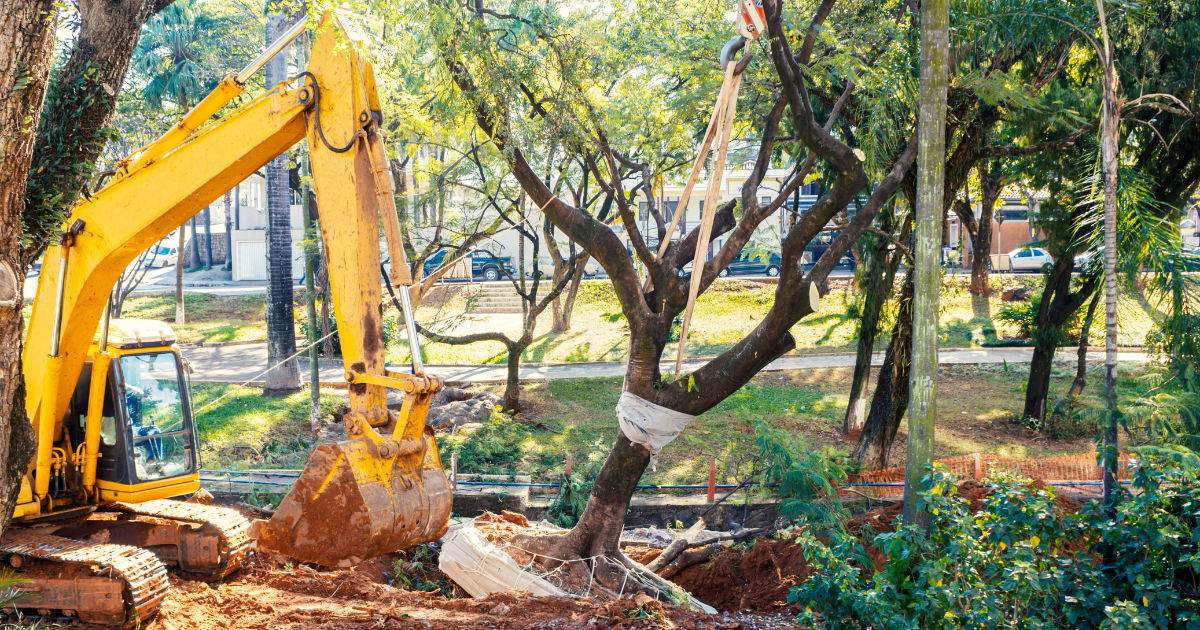
Tree pruning Canberra services often emphasize that timing is just as important as technique. Choosing the wrong season for pruning can stress the tree, reduce flowering, or even make it more vulnerable to pests and diseases.
In this comprehensive guide, we’ll explore the best seasons for pruning different types of trees, the reasons behind seasonal pruning, and practical tips to ensure your trees thrive. Whether you have fruit trees, flowering trees, or shade trees, this guide will help you make informed decisions about tree care.
Why Timing Matters in Tree Pruning
Pruning is not a one-size-fits-all task. Different trees respond differently to pruning depending on their growth cycles, dormancy periods, and flowering habits. Here are key reasons why timing is critical:
-
Health and Disease Prevention: Pruning at the wrong time can open fresh wounds when the tree is vulnerable to diseases. Some fungi and bacteria are more active in certain seasons.
-
Optimal Growth: Trees have growth cycles, and pruning at the right time can stimulate healthy branching and leaf production.
-
Flowering and Fruit Production: Many trees set buds in specific seasons. Improper pruning can reduce blooms or fruit yield.
-
Safety: Pruning during active growth might weaken branches temporarily, while winter pruning often reduces the risk of branch breakage.
Understanding these factors is key, and tree pruning Canberra experts always recommend considering the type of tree and local climate before starting any pruning work.
Understanding Tree Types
Before we discuss pruning seasons, it’s important to categorize trees because different types require different pruning strategies:
-
Deciduous Trees: These trees lose their leaves in autumn and enter a dormant phase in winter. Examples include maples, oaks, and fruit trees like apples and pears.
-
Evergreen Trees: These retain leaves year-round. Examples include pines, spruces, and camellias.
-
Flowering Trees: Trees primarily valued for their blooms. Timing pruning here is critical to ensure flowers are not cut off. Examples include cherry blossoms, magnolias, and crape myrtles.
-
Fruit Trees: Trees that bear fruit, such as citrus, stone fruits (peaches, plums), and apples, have specific pruning needs to maximize yield.
By understanding which category your tree falls into, you can better determine the appropriate pruning season.
Best Seasons for Pruning Deciduous Trees
Deciduous trees are the easiest to schedule because their dormancy provides a natural pruning window.
Winter (Dormant Season)
-
Advantages:
-
Reduced risk of disease and pest infestation.
-
Tree structure is more visible without leaves, making it easier to identify weak or crossing branches.
-
Encourages vigorous spring growth.
-
-
Trees Suitable for Winter Pruning:
-
Maple
-
Oak
-
Elm
-
Birch
-
Late Spring or Early Summer (After Leaf-Out)
-
Advantages:
-
Can be used for light pruning to shape trees or remove damaged limbs.
-
Useful for trimming after storm damage.
-
-
Considerations:
-
Avoid heavy pruning as trees are actively growing, which may lead to excessive sap loss.
-
Autumn is generally not recommended for pruning deciduous trees because wounds may not heal before winter, leaving the tree vulnerable.
Best Seasons for Pruning Evergreen Trees
Evergreen trees have different cycles and usually respond best to careful pruning during mild weather.
Late Winter to Early Spring
-
Advantages:
-
Before the active growing season, allows for strong recovery.
-
Ideal for structural pruning of evergreens like pines and spruces.
-
-
Trees Suitable for Late Winter Pruning:
-
Pine
-
Cedar
-
Fir
-
Summer Pruning
-
Advantages:
-
Light trimming is possible to maintain shape or remove dead branches.
-
-
Considerations:
-
Avoid pruning during extremely hot months as stress can harm the tree.
-
Evergreens rarely need heavy pruning, and over-pruning can reduce foliage density. Tree pruning Canberra specialists recommend only removing dead or diseased branches unless necessary for shaping.
Best Seasons for Pruning Flowering Trees
Flowering trees need precise timing, as pruning at the wrong season can remove flower buds and reduce blooms.
Spring-Flowering Trees
-
Timing: Immediately after flowering
-
Examples: Cherry blossom, magnolia, lilac
-
Advantages:
-
Ensures the next year’s flower buds are preserved.
-
Reduces disease spread while allowing ample recovery time before winter.
-
Summer-Flowering Trees
-
Timing: Late winter or early spring
-
Examples: Crape myrtle, butterfly bush
-
Advantages:
-
Promotes new growth that will flower in summer.
-
Avoid pruning spring-flowering trees in late winter, as it can remove the buds formed for the upcoming season.
Best Seasons for Pruning Fruit Trees
Fruit trees have very specific pruning requirements to maximize yield and maintain tree health.
Deciduous Fruit Trees (Apples, Pears, Plums)
-
Timing: Late winter (dormant season)
-
Advantages:
-
Enhances sunlight penetration and air circulation.
-
Encourages healthy growth for spring fruit production.
-
Citrus Trees (Oranges, Lemons, Limes)
-
Timing: Early spring after frost danger passes
-
Advantages:
-
Light pruning promotes healthy fruiting.
-
Avoid heavy pruning in winter, which can stress the tree.
-
Stone Fruit Trees (Peaches, Cherries, Apricots)
-
Timing: Late winter to early spring
-
Advantages:
-
Pruning while dormant reduces disease risk.
-
Encourages strong fruiting branches.
-
Summer Pruning can also be used to remove water sprouts or suckers and improve fruit quality.
General Pruning Guidelines
No matter the tree type, certain pruning principles apply universally:
-
Remove Dead, Diseased, or Damaged Branches: This prevents the spread of disease and improves tree structure.
-
Avoid Topping: Cutting off the top of the tree can weaken it and promote undesirable growth.
-
Use Proper Tools: Sharp, clean tools reduce damage and infection.
-
Consider the Tree’s Shape: Maintain the natural growth form to ensure long-term health.
-
Prune in Small Increments: Avoid removing more than 25% of a tree’s canopy in one session.
Tree pruning Canberra professionals recommend following these guidelines to ensure your trees remain healthy and aesthetically pleasing.
Seasonal Checklist for Tree Pruning
Winter (Dormant Season):
-
Deciduous trees: heavy structural pruning
-
Evergreen trees: light pruning, structural adjustments
Spring:
-
Flowering trees: after bloom
-
Citrus trees: light pruning after frost
Summer:
-
Remove water sprouts and suckers
-
Light shaping for evergreens
-
Maintain flowering tree shape
Autumn:
-
Avoid heavy pruning
-
Remove only dead or damaged branches
Tools for Effective Pruning
Investing in the right tools ensures cleaner cuts and healthier trees. Essential tools include:
-
Pruning Shears: For small branches up to ¾ inch thick
-
Loppers: For medium branches up to 2 inches
-
Pruning Saw: For branches over 2 inches
-
Pole Pruner: For high branches
-
Gloves and Safety Gear: Protects hands and body from injury
Maintaining your tools is equally important. Regular cleaning and sharpening prevent infection and improve cutting precision.
Common Mistakes to Avoid
Even experienced gardeners can make mistakes when pruning trees. Avoid these common errors:
-
Pruning at the Wrong Season: Can stress the tree or reduce flowering/fruiting.
-
Cutting Too Much at Once: Can shock the tree and slow growth.
-
Leaving Stubs: Incomplete cuts can lead to decay and disease.
-
Ignoring Tree Health: Pruning diseased branches without sterilizing tools spreads infection.
-
Over-Pruning Evergreens: Can reduce foliage density and overall health.
By being aware of these mistakes, you can ensure that pruning helps rather than harms your trees.
Benefits of Professional Tree Pruning
While DIY pruning can be effective for small trees, hiring professionals has several advantages:
-
Expertise in Seasonal Timing: Professionals know the best season for each tree type.
-
Proper Tools and Techniques: Ensures clean cuts and reduces tree stress.
-
Safety: Prevents accidents when dealing with large or high trees.
-
Enhanced Aesthetics: Skilled pruning improves the tree’s shape and appearance.
For residents in Canberra, tree pruning Canberra services are especially valuable during seasonal transitions when timing is critical for optimal tree health.
Conclusion
Pruning is more than just cutting branches; it is an essential part of maintaining tree health, enhancing growth, and ensuring safety. Understanding the seasonal requirements for different tree types—deciduous, evergreen, flowering, and fruit trees—is crucial for successful pruning. Winter is ideal for dormant deciduous trees, while evergreens benefit from late winter or summer trimming. Flowering trees require precise timing based on bloom cycles, and fruit trees need careful pruning to maximize yield.
Following proper guidelines, using the right tools, and avoiding common mistakes can make pruning a rewarding activity. Professional guidance, such as tree pruning Canberra, ensures that your trees are pruned at the right time with minimal risk, promoting long-term health and beauty.
With the right knowledge and approach, your trees will thrive through every season, providing shade, beauty, and fruit for years to come. Proper seasonal pruning is an investment in your trees’ future—one that pays off in healthy growth, stunning blooms, and abundant harvests.