
Finding female cloths that fit perfectly can sometimes feel like a challenge. Even when you find your favorite dress or blouse, it may not hug your curves the way you want. That’s where tailoring comes in. Learning how to tailor female cloths can transform your wardrobe, ensuring every piece fits like it was made just for you.
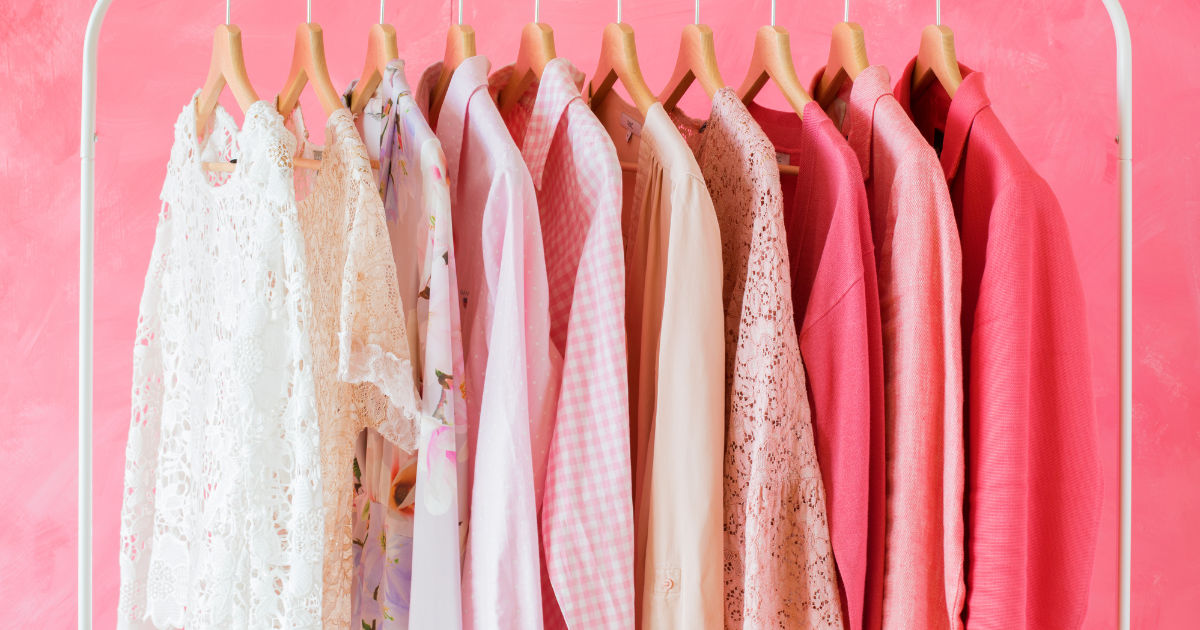
This guide will walk you through every step of tailoring, whether it’s adjusting a hemline, taking in a blouse, or reshaping a dress for your unique body shape.
Tailoring female cloths isn’t just about making them smaller or shorter; it’s about enhancing comfort, style, and confidence. A well-tailored outfit can make you look polished and feel amazing. Whether you’re a beginner or someone with basic sewing skills, this guide provides practical tips and techniques to help you tailor female cloths with precision.
Understanding Your Body Measurements
Before you start tailoring female cloths, understanding your body measurements is crucial. Ill-fitting clothes often result from incorrect sizing rather than the design itself. Here’s how to measure yourself accurately:
-
Bust: Wrap a measuring tape around the fullest part of your bust, keeping the tape straight and snug.
-
Waist: Measure around the narrowest part of your waist, usually just above the belly button.
-
Hips: Measure around the fullest part of your hips.
-
Shoulder Width: Measure from one shoulder’s edge to the other.
-
Sleeve Length: Measure from the shoulder seam to your wrist.
-
Inseam: For pants, measure from the crotch to the ankle.
Taking precise measurements helps you adjust female cloths to your exact size, making tailoring easier and more accurate. Keep a note of these measurements for reference before making any alterations.
Essential Tools for Tailoring Female Cloths
To tailor female cloths effectively, having the right tools is key. Investing in quality tools ensures better results and a smoother tailoring process. Here’s what you need:
-
Measuring Tape: Essential for accurate measurements.
-
Fabric Chalk or Pencil: For marking alterations without damaging the fabric.
-
Scissors: Sharp fabric scissors prevent frayed edges.
-
Pins and Needles: To hold fabric in place before sewing.
-
Sewing Machine: Makes the process faster and ensures strong stitches.
-
Seam Ripper: To remove unwanted stitches carefully.
-
Iron: For pressing seams and achieving a professional finish.
Using these tools correctly will make tailoring female cloths easier, safer, and more precise.
Common Alterations for Female Clothes
Tailoring female cloths involves several common adjustments. Understanding these alterations will help you modify any garment to fit your body perfectly.
Adjusting the Hemline
One of the most frequent alterations is changing the hemline of skirts, dresses, or pants. Hemming is simple but can dramatically improve the fit and appearance of female cloths. Follow these steps:
-
Try on the garment with the shoes you plan to wear.
-
Mark the desired length using fabric chalk.
-
Cut off excess fabric if necessary.
-
Fold the raw edge under twice and pin in place.
-
Sew a straight stitch along the fold.
Properly hemmed female cloths look polished and professional, enhancing your overall style.
Taking in or Letting Out Seams
Seam adjustments are crucial for fitting garments around your bust, waist, or hips.
-
Taking in seams: Used to make female cloths tighter. Turn the garment inside out, pin the seams to the desired size, and sew along the pins.
-
Letting out seams: Useful when a garment is too tight. Carefully open the existing seam and sew it slightly wider, ensuring even stitching.
Seam adjustments can transform oversized female cloths into flattering, body-conscious outfits.
Shortening or Lengthening Sleeves
Sleeves often require alterations for a perfect fit.
-
Shortening sleeves: Fold the sleeve inside, mark the new length, and sew.
-
Lengthening sleeves: Use extra fabric if available or add a cuff extension.
Tailored sleeves improve comfort and the overall appearance of female cloths.
Adjusting the Shoulder Fit
Shoulders define the structure of female cloths. Poorly fitted shoulders can make a dress or blouse look sloppy.
-
Pin the shoulder seams to align with your natural shoulder line.
-
Adjust the seams carefully, trimming excess fabric if needed.
-
Sew the seams securely for a smooth finish.
Perfect shoulder adjustments prevent sagging or stretching, giving your female cloths a polished look.
Tailoring Dresses for a Flawless Fit
Dresses are one of the most versatile pieces in any wardrobe. Proper tailoring can enhance your body shape and confidence. Here’s how to tailor female cloths like dresses:
Fitting the Bust
A dress should fit snugly without gaping or pulling.
-
Pinch excess fabric at the bust and mark it.
-
Sew darts or adjust seams to fit the bust perfectly.
-
For stretchy fabric, consider zigzag stitches for flexibility.
Shaping the Waist
A well-defined waist creates an elegant silhouette.
-
Pinch excess fabric at the sides or back of the dress.
-
Sew vertical darts or side seams to achieve the desired shape.
-
Press the seams flat for a neat appearance.
Adjusting the Hem
For a balanced look, ensure the dress hem aligns with your height and the dress style. Shorten or lengthen as needed, considering your shoes and occasion.
Tailoring Tops and Blouses
Tops and blouses are common pieces that require tailoring for a refined look.
Narrowing the Sides
If a blouse feels baggy, take in the side seams slightly. Pin the excess fabric, sew carefully, and press.
Adjusting the Sleeves
Whether long or short, sleeve adjustments can enhance the fit:
-
Tight sleeves can be loosened by letting out the seam.
-
Loose sleeves can be tailored by taking in the seam slightly.
Neckline Adjustments
Alter the neckline for comfort and style:
-
For too-tight collars, let out fabric at the back seam.
-
For loose collars, add darts or take in fabric around the neckline.
Properly fitted tops and blouses improve comfort and style significantly.
Tailoring Pants and Skirts
Pants and skirts require careful attention to fit.
Waist Adjustments
-
To tighten the waist, remove the waistband, take in fabric at the sides or back, and reattach.
-
To loosen, let out seams or add an elastic waistband.
Hemming Pants
-
Mark the desired length with shoes on.
-
Cut the excess fabric and fold the hem twice before sewing.
Tailoring Skirts
-
For pencil skirts, adjust side seams for a snug fit.
-
For flared skirts, ensure the hem is even all around.
Well-tailored pants and skirts can elevate everyday outfits effortlessly.
Choosing the Right Fabric for Tailoring
The fabric type affects how you tailor female cloths.
-
Cotton: Easy to sew and adjust.
-
Silk: Requires careful handling and hand stitching.
-
Wool: Thick fabric; use sharp scissors and press seams.
-
Stretch Fabrics: Use stretch stitches to maintain elasticity.
Understanding fabric behavior prevents mistakes and ensures a professional finish.
Tips for Perfect Tailoring
Here are some tips to make tailoring female cloths easier and more effective:
-
Always measure twice before cutting.
-
Pin fabric carefully before sewing.
-
Test alterations on scrap fabric first.
-
Press seams and hems for a professional look.
-
Don’t rush—precision is key to perfect tailoring.
Even small adjustments can make a huge difference in fit and appearance.
When to Seek Professional Help
While many alterations are simple, some require advanced skills:
-
Complex dress structures or heavy fabrics.
-
Pattern adjustments for unique body shapes.
-
Intricate embroidery or beading that could be damaged.
Professional tailors have the expertise and tools to handle challenging alterations safely.
Maintaining Tailored Clothes
Once your female cloths are tailored, proper care ensures longevity:
-
Follow fabric care instructions.
-
Avoid over-washing delicate fabrics.
-
Store tailored clothes properly to maintain shape.
-
Press before wearing for a crisp appearance.
Tailored female cloths last longer and continue to look polished when cared for correctly.
Conclusion
Tailoring female cloths is more than a skill—it’s an art that enhances comfort, style, and confidence. With proper measurements, essential tools, and a basic understanding of alterations, anyone can modify garments to fit perfectly. From adjusting hemlines to shaping dresses, pants, and blouses, tailoring allows your wardrobe to reflect your personality and body shape. Whether you’re a beginner or a seasoned sewer, mastering these techniques ensures every outfit feels custom-made. Remember, even minor tweaks can create a dramatic improvement in appearance and confidence. Invest time, care, and attention, and your tailored female cloths will always look impeccable.
By learning these methods, you can enjoy clothes that flatter your body, express your style, and fit comfortably every day. Tailoring is an invaluable skill that turns ordinary clothing into extraordinary pieces that feel truly yours.