
High-Density Polyethylene (HDPE) pipes have become the go-to material for a wide range of underground and municipal applications due to their durability, cost-effectiveness, and versatility. Whether for water distribution, sewage systems, or stormwater management, HDPE pipes offer distinct advantages over traditional materials like metal or concrete. Let’s explore why HDPE pipes are increasingly the preferred choice in these critical infrastructure projects.
1. <strong>Durability and Longevity</strong>
HDPE pipes are known for their exceptional durability. They are resistant to corrosion, unlike metal pipes that can rust or degrade over time, particularly when exposed to moisture. HDPE is also immune to the effects of many chemicals, making it suitable for transporting a variety of liquids, including sewage, water, and industrial fluids. The ability to withstand environmental stresses—such as soil movement, shifting, and freeze-thaw cycles—ensures PVC Pipe perform well for decades. In fact, HDPE pipes can last up to 100 years or more with minimal maintenance, offering a long-term solution for municipal and underground infrastructure.
2. <strong>Flexibility and Strength</strong>
One of the standout properties of HDPE pipes is their flexibility. HDPE pipes can bend and curve around obstacles without cracking or breaking, which is essential in underground applications where installations often need to navigate complex, uneven terrains. This flexibility helps avoid the need for numerous joints and fittings, reducing the potential for leaks and breaks. In addition, HDPE pipes are strong enough to handle the pressures of deep burial and high traffic loads, making them perfect for municipal water and sewer systems, which must meet stringent pressure and structural requirements.
3. <strong>Resistance to Leaks and Joints</strong>
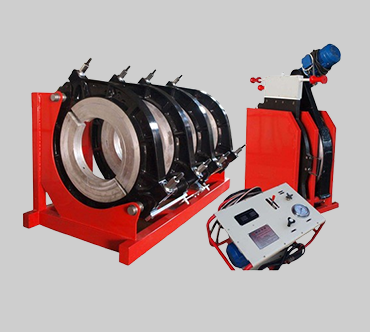
Leakage is a significant concern in municipal water and sewage systems. Traditional piping materials, such as metal or concrete, rely on joints that can degrade over time or be vulnerable to external pressures. HDPE pipes, on the other hand, are often joined using a heat fusion process, which effectively welds the pipe segments together, creating a continuous, leak-proof connection. This minimizes the risk of water loss and contamination, which is especially critical in municipal applications where reliability and safety are paramount.
4. <strong>Cost-Effectiveness</strong>
HDPE pipes provide significant cost savings throughout the life cycle of an installation. While the initial cost of HDPE pipes may be slightly higher than other materials, the long-term benefits far outweigh this difference. HDPE’s durability means fewer replacements and repairs are needed, reducing maintenance and replacement costs over time. Furthermore, the ease of installation and the reduced need for specialized labor or equipment contribute to overall savings in construction and installation costs. HDPE pipes are also lightweight, which lowers transportation and handling costs, further enhancing their cost-effectiveness.
5. <strong>Environmental Benefits</strong>
HDPE pipes are highly environmentally friendly. They are made from recyclable materials, making them an eco-conscious choice compared to non-recyclable alternatives like PVC or concrete. Additionally, the long service life of HDPE pipes reduces the frequency of replacements, leading to less waste generation. Their corrosion-resistant nature ensures that no harmful substances are leached into the environment, which is particularly crucial in water and sewage applications.
6. <strong>Ease of Installation</strong>
Installation of HDPE pipes is faster and easier than other piping materials, which helps municipalities complete projects more quickly and at lower labor costs. The flexibility and light weight of HDPE pipes reduce the need for heavy machinery and complex excavation processes, particularly in areas with challenging terrains. Additionally, because HDPE pipes can be fused together without the need for joints or gaskets, the potential for leaks is reduced, further simplifying installation and reducing future maintenance.
Conclusion
HDPE pipes have emerged as the preferred choice for underground and municipal applications due to their combination of durability, flexibility, cost-effectiveness, and environmental friendliness. As municipalities continue to prioritize long-lasting and efficient infrastructure solutions, HDPE pipes will likely remain a staple in water and sewage systems, offering a reliable, safe, and sustainable option for critical underground applications.