
Glass has become a popular choice in modern architecture and interior design. From office buildings to homes, glass panels, doors, and partitions offer elegance, light, and a sense of openness.
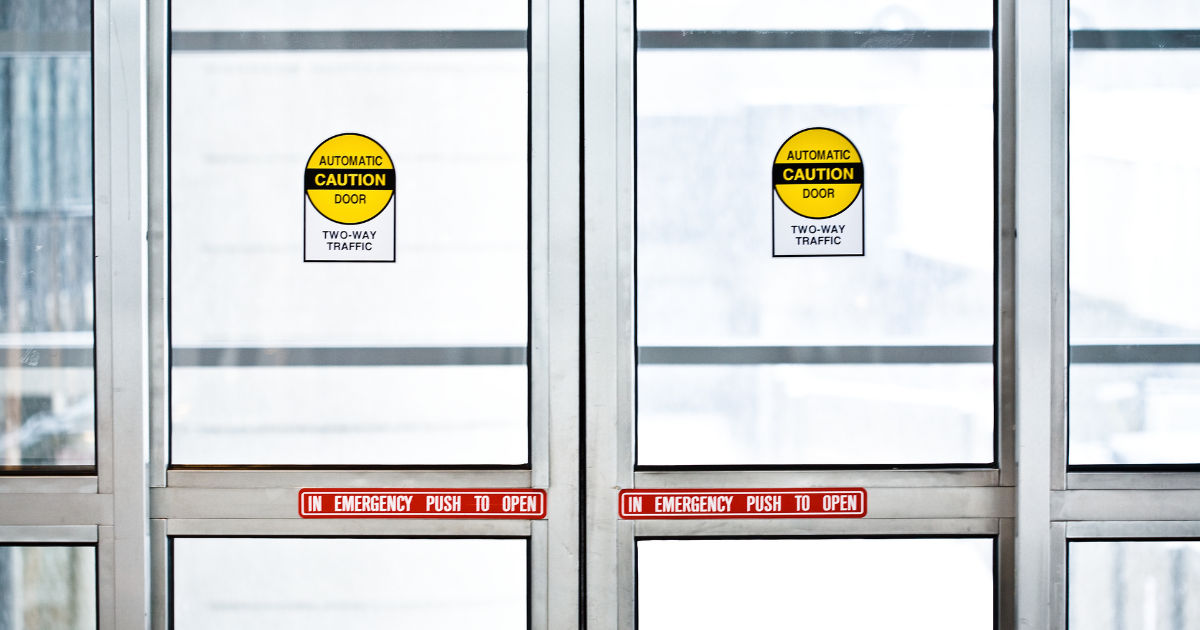
However, the durability and functionality of glass elements rely heavily on glass hardware maintenance. Proper care ensures safety, longevity, and aesthetic appeal.
In this comprehensive guide, we will explore everything you need to know about maintaining glass hardware, including types, common issues, maintenance routines, tools required, and professional tips, with insights from akbari glass.
Glass Hardware
Glass hardware refers to all fittings and accessories used with glass installations. This includes hinges, handles, locks, sliders, clamps, channels, and stoppers. Every piece plays a role in ensuring glass panels operate smoothly and safely.
Without proper glass hardware maintenance, even the highest quality glass can develop issues. Malfunctioning hinges, loose handles, or rusting frames can compromise both safety and appearance.
Common Types of Glass Hardware
Knowing the types of glass hardware is the first step in maintenance. Here are the most common ones:
1. Hinges
Hinges allow glass doors to swing open and close. They are often made of stainless steel, brass, or aluminum. Hinges need lubrication and occasional tightening to prevent squeaking or sagging.
2. Handles and Pulls
Handles are used for opening and closing doors. Loose or damaged handles can make doors difficult to operate and reduce safety.
3. Locks and Latches
Locks provide security, particularly for glass doors in offices or homes. Regular inspection ensures they function properly and do not wear out prematurely.
4. Sliding Door Hardware
Sliding glass doors use tracks, rollers, and stoppers. Dirt accumulation or worn-out rollers can prevent smooth operation.
5. Clamps and Brackets
These support glass panels and help hold them in place. Loose clamps or brackets can cause panels to wobble or even fall, emphasizing the need for routine glass hardware maintenance.
6. Channels and Tracks
Used in frameless doors and partitions, channels guide the glass panels and absorb stress. Dirt, debris, or corrosion in channels can impact movement.
Why Glass Hardware Maintenance Is Important
Proper glass hardware maintenance is not just about aesthetics. Here are key reasons why it matters:
-
Safety: Poorly maintained hardware can lead to glass breakage, falls, or injuries.
-
Longevity: Regular maintenance prevents premature wear and tear, extending the lifespan of both the hardware and glass.
-
Functionality: Well-maintained doors and panels operate smoothly without resistance or noise.
-
Appearance: Shiny, clean, and intact hardware complements the transparency and elegance of glass installations.
Daily Maintenance Practices
Daily care is essential to prevent long-term damage. Here’s a simple routine for glass hardware maintenance:
-
Wipe Surfaces Regularly: Use a soft, damp cloth to clean handles, hinges, and locks. Avoid abrasive materials.
-
Check for Loose Screws: Lightly tap or inspect screws and bolts. Tighten if necessary.
-
Lubricate Moving Parts: Apply silicone-based lubricant to hinges and rollers to reduce friction. Avoid oil-based products, which can attract dust.
-
Inspect for Damage: Look for scratches, cracks, or rust. Immediate action prevents further deterioration.
Weekly and Monthly Checks
Some components require more thorough inspection periodically:
Hinges
Check for alignment issues, rust, or unusual noise. Tighten screws and apply lubricant.
Handles and Pulls
Ensure they are secure. Replace any that are chipped, bent, or loose.
Locks
Test all locking mechanisms for smooth operation. Replace worn-out components.
Sliding Doors
Clean tracks, check rollers, and adjust stoppers. Remove debris to avoid jamming.
Clamps and Brackets
Ensure they hold panels firmly. Retighten if they loosen over time.
Tools Required for Glass Hardware Maintenance
Having the right tools makes maintenance easier and safer:
-
Screwdrivers (flat and Phillips head)
-
Soft microfiber cloths
-
Silicone lubricant spray
-
Allen wrenches for adjustable hardware
-
Cleaning solution suitable for metal and glass
-
Safety gloves and goggles
Using proper tools reduces the risk of scratches, accidents, or hardware damage.
Common Problems in Glass Hardware
Even with regular maintenance, certain issues can arise:
Loose Hardware
Frequent use may loosen screws, hinges, or handles. Immediate tightening prevents accidents.
Rust and Corrosion
Exposure to moisture can corrode metal hardware. Regular cleaning and anti-rust sprays help prevent damage.
Stiff or Noisy Doors
Lack of lubrication or dirt accumulation can make doors stiff or squeaky. Lubrication and track cleaning solve most issues.
Broken or Cracked Hardware
Impact or wear can break handles, latches, or clamps. Replace damaged parts immediately.
Misalignment
Hinges or brackets may shift over time, causing doors or panels to hang unevenly. Proper adjustments restore alignment.
Safety Precautions During Maintenance
Working with glass requires extra care. Follow these precautions:
-
Wear protective gloves and goggles.
-
Avoid applying excessive force on hardware.
-
Use soft cloths and avoid metal brushes on glass.
-
Ensure doors are supported while adjusting hinges or clamps.
-
For high-rise installations, always use proper scaffolding and safety gear.
Professional Glass Hardware Maintenance Services
While many maintenance tasks can be performed by homeowners or office managers, hiring professionals is often necessary for:
-
Large glass façades or partitions
-
High-end office buildings with complex sliding systems
-
Safety inspections for commercial properties
-
Replacement of specialized hardware components
Professional technicians ensure the correct adjustment, repair, or replacement of hardware without risking damage to glass panels.
Tips to Extend the Life of Glass Hardware
-
Regular Cleaning: Keep both hardware and glass free from dirt, dust, and grime.
-
Avoid Abrasive Cleaners: Harsh chemicals can corrode or scratch metal surfaces.
-
Use Lubricants Wisely: Only apply on moving parts, not directly on glass.
-
Inspect Frequently: Early detection of problems prevents major repairs.
-
Proper Usage: Avoid slamming glass doors or overloading sliding panels.
Conclusion
Glass hardware maintenance is essential for safety, functionality, and aesthetics. By understanding the types of hardware, performing routine checks, using the right tools, and taking safety precautions, you can extend the life of glass installations and avoid costly repairs. Whether it’s a simple handle or a complex sliding system, regular care ensures that your glass doors, panels, and partitions remain elegant and reliable for years.
Routine maintenance may seem minor, but it has a major impact on both safety and investment protection. For large-scale or complex installations, professional maintenance services offer expert solutions, ensuring every component works seamlessly.
Investing time and effort in glass hardware maintenance is not just about preserving appearance—it’s about creating a safe, functional, and visually appealing environment.