
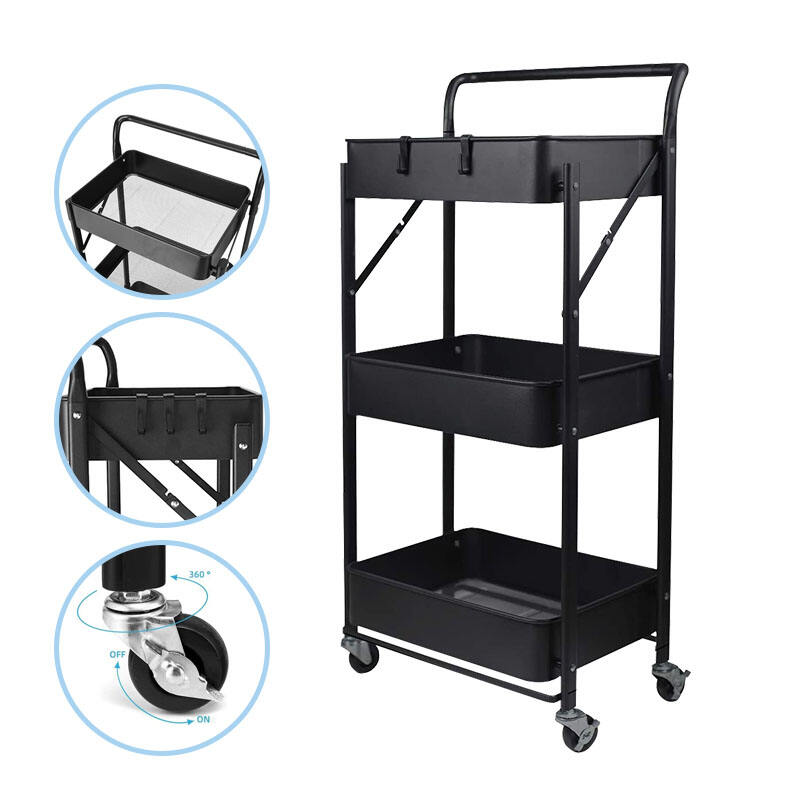
Storage shelves have long been a staple in households, offices, and commercial spaces, serving a fundamental role in organization and efficiency. However, what began as a purely utilitarian piece of furniture has evolved into a design statement that reflects personal taste and modern aesthetics. Over time, storage shelves have transformed from simple functional structures into an integral part of interior design, blending practicality with style.
The Early Years: A Focus on Functionality
The concept of shelving can be traced back to ancient civilizations, where storage solutions were designed solely for the purpose of maximizing space and organizing goods. In the early 20th century, the focus remained on utility. Shelves were generally made from basic materials such as wood and metal and were often designed for specific tasks, like holding books, tools, or kitchenware. During the Industrial Revolution, mass production and advancements in materials made shelving systems more accessible, but they still prioritized function over form.
For most of the 19th and early 20th centuries, shelves were straightforward, utilitarian pieces that blended into the background of homes and workplaces. A shelf was a shelf—designed to hold, display, or store items, without much consideration for aesthetics or design trends.
The Mid-20th Century: A Shift Towards Minimalism
The mid-20th century saw a shift toward more modern design influences, especially with the rise of the minimalist movement. As people began to embrace simpler, sleeker living environments, storage solutions had to adapt. Shelves became more streamlined and efficient, taking on minimalist designs that were both functional and visually appealing.
In this period, materials began to evolve. Stainless steel, glass, and molded plastics became popular choices, contributing to a cleaner, more sophisticated look. Designers like George Nelson and Charles and Ray Eames revolutionized the way people thought about furniture, integrating form and function in new ways. Shelves were no longer just objects for storage; they were key elements of interior design, meant to complement the overall aesthetic of a room.
The 1980s and 1990s: The Rise of Customization and Versatility
By the 1980s and 1990s, the demand for customizable, modular storage systems increased, reflecting the growing trend for personalization and flexibility in home decor. Companies like IKEA made shelving accessible to the masses, with affordable, easy-to-assemble systems that could be adapted to different spaces and needs. These modular designs allowed individuals to create unique storage solutions for any room, from living rooms to home offices.
This period also saw the introduction of a variety of finishes and styles—wood, metal, and laminate—all offering different textures and colors to suit diverse tastes. Shelving could now be tailored to match a specific design aesthetic, from modern and industrial to rustic and traditional.
The 21st Century: Shelves as Statements of Style
In the 21st century, shelves have become an integral part of interior design, often used to make bold statements or enhance the aesthetic appeal of a space. The emphasis on minimalism remains, but now with a greater appreciation for materials, craftsmanship, and visual impact. Floating shelves, open shelving units, and asymmetrical designs have become popular choices in modern homes, allowing for flexibility in arranging personal items while maintaining a clean, uncluttered look.
Shelves are no longer just places to store items; they are part of a larger trend toward multifunctional furniture. Bookshelves, for example, often double as art displays or room dividers, while kitchen shelves are designed to showcase stylish glassware or decorative items alongside functional cookware.
Technology has also played a role in the evolution of shelves. With the rise of smart homes, some storage units now include integrated lighting, wireless charging stations, and built-in speakers, enhancing both the practicality and modern appeal of shelves.
Conclusion
From their humble beginnings as simple storage solutions to their current status as stylish design elements, shelves have evolved dramatically over time. Today, they are not only functional but are celebrated for their contribution to interior aesthetics. Whether you’re looking for a sleek, minimalist display or a more eclectic arrangement, the evolution of storage shelves demonstrates how form and function can beautifully coexist in modern design. As we move forward, shelves will undoubtedly continue to evolve, reflecting changing tastes, technological advancements, and the ongoing pursuit of efficiency and beauty in home decor.