
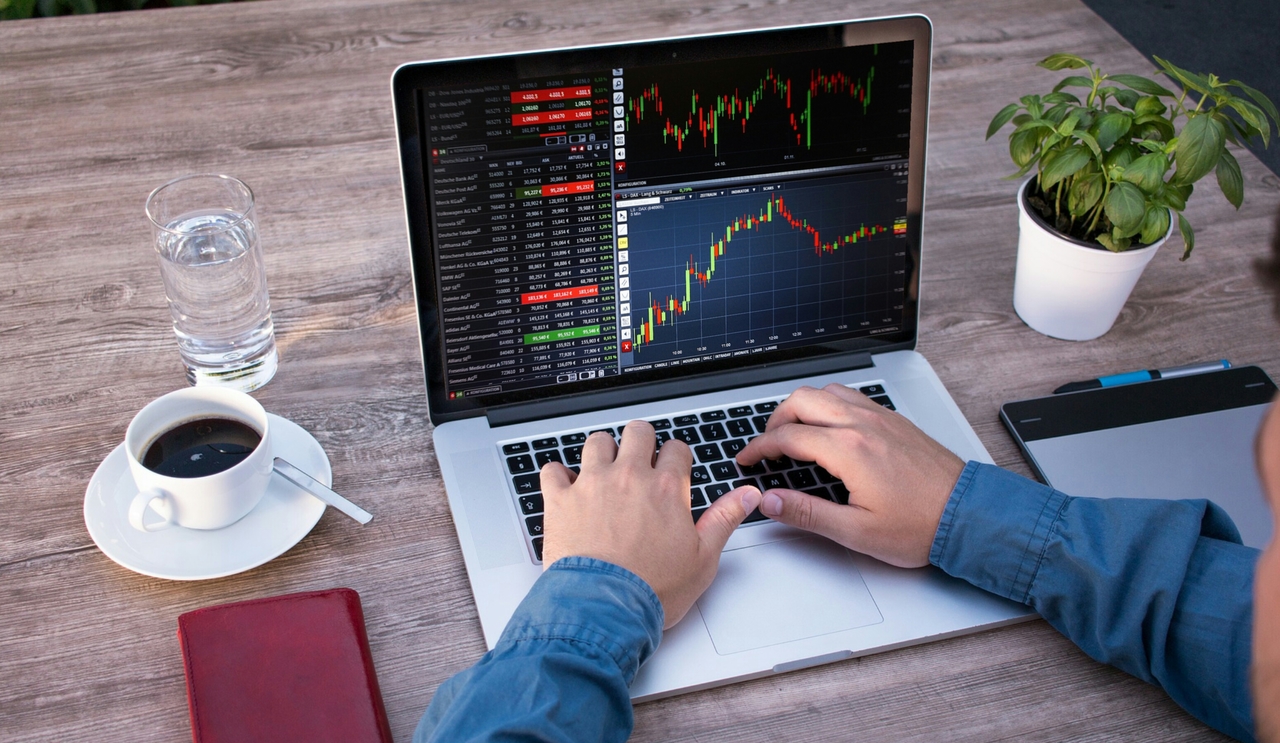
Trading S&P 500 futures has become a cornerstone strategy for both institutional and retail investors seeking exposure to the U.S. equity market. One of the most effective tools for analyzing market movements is the S&P 500 futures Barchart, which provides clear visual representation of price action, trends, and market sentiment. However, to make the most of this analytical tool, understanding futures trading hours is crucial. Market behavior varies significantly across different trading sessions, and these fluctuations directly impact the reliability and interpretation of your Barchart analysis.
In this article, we will explore how futures trading hours influence S&P 500 futures Barchart patterns, why timing matters for traders, and strategies to optimize trades using this knowledge.
Understanding the S&P 500 Futures Barchart
A Barchart is a type of price chart commonly used in futures trading to track price movements over specific intervals. For S&P 500 futures, the Barchart displays:
- Open, High, Low, and Close (OHLC) prices for each time interval.
- Trends over time, indicating bullish or bearish sentiment.
- Volume, showing trading activity during specific sessions.
Barcharts allow traders to spot patterns such as double tops, head-and-shoulders, and trend reversals, which are essential for making informed trading decisions. However, these patterns can behave differently depending on the time of day and market session, which is why integrating knowledge of futures trading hours is critical.
The Role of Futures Trading Hours
The S&P 500 futures market is open nearly 24 hours a day, divided into several key trading sessions:
- Globex (Electronic) Session: Sunday evening to Friday evening, covering overnight trading.
- Regular Trading Hours (RTH): 9:30 AM to 4:00 PM EST, coinciding with the U.S. stock market.
- Extended Hours: Pre-market and post-market sessions where liquidity may be lower, and price gaps are common.
Understanding these futures trading hours is important because trading volume, volatility, and market behavior differ significantly between sessions. The Barchart patterns you observe during one session may not reflect the broader trend seen during peak trading hours.
How Trading Hours Affect Barchart Analysis
1. Volume and Liquidity
Volume plays a critical role in confirming trends on a Barchart. During Regular Trading Hours, liquidity is highest, making price movements more reliable. For instance, a breakout above resistance during high-volume RTH is often more valid than one occurring overnight with thin liquidity.
- Low Volume Periods: Overnight or early morning sessions may show erratic Barchart patterns that do not hold during the main session.
- High Volume Periods: RTH and market open/close are ideal for validating trends.
By tracking volume alongside S&P 500 futures Barchart patterns, traders can filter out false signals and avoid trading on unreliable overnight data.
2. Volatility Variations
Volatility fluctuates across futures trading hours, impacting the interpretation of candlestick patterns on the Barchart:
- Open/Close of RTH: The first and last hours of the U.S. market often exhibit high volatility, creating strong candlestick patterns that signal potential trends.
- Overnight Session: Futures trading overnight can be less predictable, influenced by international markets, economic releases, or geopolitical events.
Understanding volatility helps traders decide when to enter or exit positions and prevents misreading spikes on the Barchart as sustainable trends.
3. Price Gaps and Overnight Events
Significant events outside RTH often cause price gaps, which appear on the Barchart as jumps between consecutive candles. These gaps can mislead inexperienced traders into thinking a trend is forming, while it may simply be a reaction to overnight news.
- Example: A geopolitical announcement at 2:00 AM EST could push S&P 500 futures up 15 points before RTH opens. Without understanding futures trading hours, a trader may misinterpret this movement as a breakout trend.
Monitoring the timing of such events in relation to trading hours ensures more accurate Barchart analysis.
4. Session-Specific Strategies
Each trading session has characteristics that influence Barchart interpretation:
- RTH (9:30 AM–4:00 PM EST): Focus on trend confirmation, breakout trades, and technical analysis using volume-weighted data.
- Pre-Market and Post-Market: Use these sessions for spotting early signals, gaps, and potential reversals.
- Overnight Globex: Monitor macroeconomic news, international market correlations, and low-volume patterns.
By aligning trades with session characteristics, traders can increase the probability of success when acting on S&P 500 futures Barchart patterns.
Tools for Enhancing Barchart Analysis Across Trading Hours
Modern futures trading platforms provide features to maximize Barchart analysis:
- Custom Time Intervals – Adjust Barchart intervals to match different trading sessions for better trend visibility.
- Volume Overlays – Identify whether moves are supported by strong participation or low-volume anomalies.
- Alerts and Notifications – Get notified when significant patterns form during high-volume sessions.
- Historical Session Comparison – Analyze how similar time-of-day patterns behaved in the past to predict potential moves.
These tools allow traders to interpret S&P 500 futures Barchart more accurately and make informed decisions during specific futures trading hours.
Common Mistakes to Avoid
Traders often misread Barcharts because they ignore trading hour effects:
- Trading on Low Volume: Overreacting to overnight price swings without considering liquidity.
- Ignoring Macro Events: Failing to account for economic releases that influence patterns outside RTH.
- Assuming Uniform Behavior: Expecting Barchart patterns to behave the same across all sessions.
Avoiding these mistakes improves both short-term and long-term trading results.
Conclusion
The S&P 500 futures Barchart is a powerful tool for tracking market trends, spotting patterns, and making trading decisions. However, ignoring futures trading hours can lead to misinterpretation of volume, volatility, and price gaps. By understanding session-specific behavior, monitoring volume, and using advanced tools on a trading platform, traders can enhance their analysis and trade more confidently.
Mastering the interplay between S&P 500 futures Barchart patterns and futures trading hours is essential for both beginners and experienced traders aiming to optimize performance, minimize risks, and capitalize on market opportunities in 2025.