
Moisture Absorbers are widely used in homes, offices, cars, and storage spaces to control excess humidity and prevent dampness-related problems.
From musty smells to mold growth and damaged furniture, moisture can quietly create serious issues if left unmanaged. Because of this, Moisture Absorbers have become a popular solution for maintaining dry, healthy indoor environments. However, many people still wonder: Are Moisture Absorbers safe to use? This comprehensive guide explores how Moisture Absorbers work, their safety, benefits, risks, and best practices so you can use them with confidence.
This article is written for a 12th-grade audience, using clear language, short paragraphs, and structured headings to make the information easy to understand and apply.
Moisture and Humidity Indoors
Indoor humidity plays a major role in comfort and health. When humidity levels rise above normal, excess moisture builds up in the air and on surfaces.
High humidity can cause walls to feel damp, windows to fog up, and clothes to smell musty. Over time, this moisture can lead to mold growth, dust mites, peeling paint, and even structural damage.
Moisture Absorbers are designed to control this problem by pulling moisture out of the air. Before discussing their safety, it is important to understand why controlling moisture is so important in the first place.
What Are Moisture Absorbers?
Moisture Absorbers are products designed to reduce excess humidity in enclosed or semi-enclosed spaces. They work by attracting and trapping moisture from the air.
Most Moisture Absorbers come in simple containers filled with moisture-attracting materials. As they absorb humidity, the moisture collects as liquid in the container or turns into a gel-like substance.
These products are commonly used in bedrooms, bathrooms, kitchens, wardrobes, basements, cars, and storage boxes. Moisture Absorbers are valued for being affordable, quiet, and easy to use without electricity.
How Moisture Absorbers Work
Moisture Absorbers work through a process called absorption or adsorption, depending on the material used.
Some Moisture Absorbers contain calcium chloride, which pulls moisture from the air and dissolves into a liquid brine. Others use silica gel or activated charcoal, which trap moisture within their structure.
As air circulates naturally, Moisture Absorbers gradually reduce humidity levels. This slow, steady process makes them suitable for small to medium spaces where constant moisture control is needed.
Because Moisture Absorbers work passively, they are often considered safer and simpler than electric dehumidifiers.
Common Types of Moisture Absorbers
Calcium Chloride-Based Moisture Absorbers
These are the most common Moisture Absorbers used in homes. Calcium chloride is highly effective at pulling moisture from the air.
As it absorbs humidity, it turns into a salty liquid that collects in a reservoir. These Moisture Absorbers are powerful but must be handled carefully.
Silica Gel Moisture Absorbers
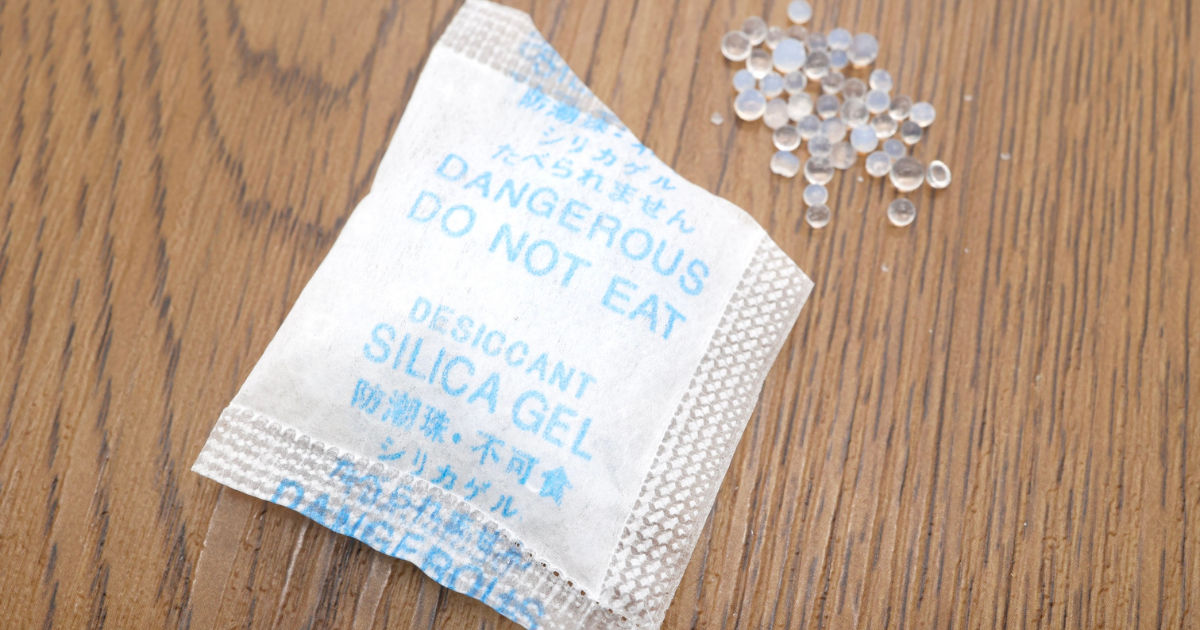
Silica gel Moisture Absorbers are often found in small packets or reusable containers. They absorb moisture without turning into liquid.
These are commonly used in shoes, bags, electronics, and storage boxes. Silica gel Moisture Absorbers are generally safer and less messy.
Activated Charcoal Moisture Absorbers
Activated charcoal Moisture Absorbers help reduce moisture and odors at the same time. They work by trapping moisture and airborne impurities.
These are often reusable and considered environmentally friendly options.
Are Moisture Absorbers Safe to Use?
In general, Moisture Absorbers are safe to use when handled and placed correctly. Most products are designed for household use and come with clear safety instructions.
However, safety depends on factors such as the type of Moisture Absorbers, the environment where they are used, and who has access to them.
Understanding potential risks helps ensure Moisture Absorbers remain a helpful solution rather than a hazard.
Safety of Moisture Absorbers Around Children
Moisture Absorbers should always be placed out of reach of children. Some Moisture Absorbers, especially those containing calcium chloride, can be harmful if ingested or touched.
The liquid collected in Moisture Absorbers is not water. It is a chemical solution that can irritate skin and eyes.
If you have young children at home, choose sealed Moisture Absorbers with child-resistant designs. Always read labels carefully and follow placement guidelines.
Safety of Moisture Absorbers Around Pets
Pets are naturally curious, which makes safety an important concern. Moisture Absorbers can be dangerous if pets lick or chew them.
Cats and dogs may be attracted to the liquid or gel inside Moisture Absorbers. Ingesting these substances can cause stomach upset or more serious health issues.
To keep pets safe, place Moisture Absorbers in high or hidden areas where pets cannot reach them. Pet-safe alternatives like activated charcoal Moisture Absorbers are often a better choice.
Chemical Safety of Moisture Absorbers
Most Moisture Absorbers are made from chemicals that are safe when used as directed. Calcium chloride, silica gel, and activated charcoal are commonly used materials.
Problems arise only when Moisture Absorbers are misused. Direct contact with skin, eyes, or mouth should be avoided.
Always wash your hands after handling Moisture Absorbers, especially when disposing of used products. Never pour the collected liquid down drains unless the manufacturer says it is safe to do so.
Environmental Impact of Moisture Absorbers
The environmental safety of Moisture Absorbers depends on their design and disposal method.
Single-use Moisture Absorbers can create waste if replaced frequently. Some contain plastic containers that end up in landfills.
Reusable Moisture Absorbers are a more eco-friendly option. These can be dried out and reused multiple times, reducing waste.
Choosing responsibly made Moisture Absorbers helps minimize environmental impact while maintaining effective moisture control.
Health Benefits of Using Moisture Absorbers
Using Moisture Absorbers can improve indoor air quality. By reducing humidity, they help prevent mold growth and dust mites.
Lower humidity levels can ease breathing for people with allergies or asthma. Moisture Absorbers also help eliminate musty odors that often indicate dampness.
In this way, Moisture Absorbers contribute to a healthier living environment when used correctly.
Can Moisture Absorbers Cause Health Problems?
Moisture Absorbers themselves do not usually cause health problems. Issues occur only with improper use or accidental exposure.
Spilled liquid from Moisture Absorbers can irritate skin or damage surfaces. Inhaling dust from broken silica gel packets can also cause mild irritation.
These risks are easily avoided by handling Moisture Absorbers carefully and keeping them intact.
Where Moisture Absorbers Are Safe to Use
Moisture Absorbers are safe for many areas of the home when placed correctly.
They work well in closets, wardrobes, bathrooms, basements, laundry rooms, and storage spaces.
Moisture Absorbers are also commonly used in cars, especially in humid climates, to prevent window fogging and interior dampness.
Always ensure proper placement to avoid spills or accidental contact.
Places Where Extra Caution Is Needed
While Moisture Absorbers are useful, some locations require extra care.
Kitchens and food storage areas should only use Moisture Absorbers specifically labeled as food-safe. Bedrooms with children or pets need secure placement.
Avoid placing Moisture Absorbers near heating vents or electronics, as leaks could cause damage.
Moisture Absorbers vs. Electric Dehumidifiers
Many people compare Moisture Absorbers to electric dehumidifiers when choosing a moisture control solution.
Moisture Absorbers are quiet, energy-free, and affordable. They are ideal for small spaces and low to moderate humidity levels.
Electric dehumidifiers are better for large areas and severe moisture problems. However, they consume electricity and require maintenance.
From a safety perspective, Moisture Absorbers are simpler and pose fewer electrical risks.
How to Use Moisture Absorbers Safely
Using Moisture Absorbers safely starts with reading the instructions provided by the manufacturer.
Always place Moisture Absorbers on a stable surface to prevent tipping. Do not open or puncture the container unless instructed.
Replace or empty Moisture Absorbers according to the recommended schedule. Never mix contents from different products.
Proper Disposal of Moisture Absorbers
Disposal is an important safety step. Used Moisture Absorbers often contain collected liquid that must be handled carefully.
Some products allow the liquid to be poured down the drain with plenty of water. Others require disposal in sealed containers.
Always follow disposal instructions to protect plumbing, surfaces, and the environment.
Signs That Moisture Absorbers Are Working Properly
Moisture Absorbers show visible signs when they are functioning correctly.
You may notice water collecting in the container or gel beads changing color. Musty odors often decrease over time.
If Moisture Absorbers remain unchanged after weeks, the space may not have enough humidity or the product may need replacing.
Myths About Moisture Absorbers
There are several myths surrounding Moisture Absorbers.
Some people believe Moisture Absorbers release harmful fumes. In reality, properly sealed Moisture Absorbers do not emit toxic gases.
Others think Moisture Absorbers can completely replace ventilation. While helpful, Moisture Absorbers work best alongside good airflow.
Understanding these facts helps users make informed decisions.
Choosing the Right Moisture Absorbers
Selecting the right Moisture Absorbers depends on space size, humidity level, and safety needs.
Small silica gel Moisture Absorbers are ideal for drawers and storage boxes. Calcium chloride Moisture Absorbers suit larger rooms.
If safety is a concern, look for non-toxic, reusable Moisture Absorbers with sealed designs.
Maintenance and Monitoring
Moisture Absorbers require minimal maintenance, but regular checks are important.
Inspect them for leaks, cracks, or overfilled containers. Replace them when they reach capacity.
Monitoring humidity levels with a hygrometer can help ensure Moisture Absorbers are doing their job effectively.
Are Moisture Absorbers Worth Using?
For many households, Moisture Absorbers are a practical and affordable solution to humidity problems.
They are easy to use, require no power, and provide noticeable benefits. When used responsibly, Moisture Absorbers are safe and effective.
Their simplicity makes them especially appealing for people who want low-maintenance moisture control.
Final Thoughts on Safety
Moisture Absorbers are generally safe for everyday use when handled properly. Most risks come from misuse or accidental exposure.
By following instructions, choosing the right type, and placing them wisely, users can enjoy the benefits without worry.
Moisture Absorbers are a helpful tool for maintaining a clean, dry, and healthy living environment.
Conclusion
Moisture Absorbers play an important role in controlling indoor humidity and preventing moisture-related problems. When used correctly, they are safe, effective, and convenient for a wide range of spaces. From closets and basements to cars and storage areas, Moisture Absorbers help protect belongings and improve air quality.
Safety concerns mainly involve keeping Moisture Absorbers away from children and pets, handling chemicals carefully, and disposing of used products properly. By understanding how Moisture Absorbers work and choosing the right type for your needs, you can confidently use them as part of a healthy home maintenance routine.
Overall, Moisture Absorbers offer a simple and reliable way to manage humidity. With proper use and awareness, they remain a safe and valuable solution for modern living.