
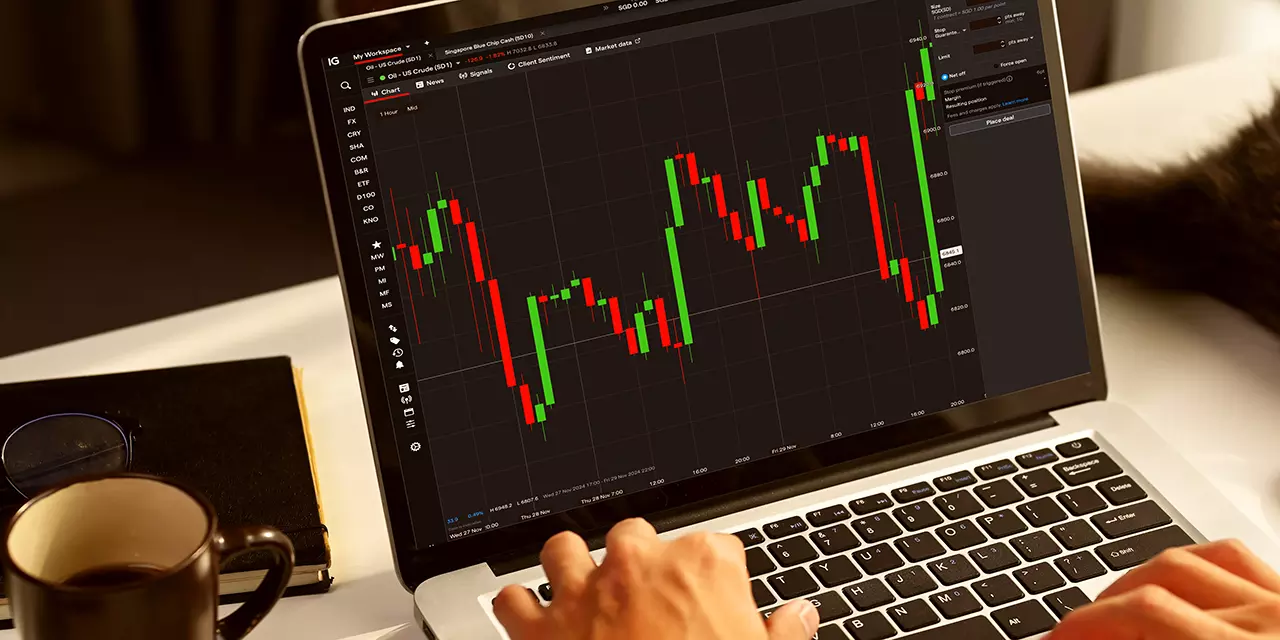
Entering the world of forex futures trading can be both exciting and daunting. With high leverage, fast-paced markets, and complex instruments, beginners often face steep learning curves. Jumping directly into live trading without proper preparation can lead to costly mistakes. This is where paper trading becomes a critical tool. By simulating trades without risking real capital, traders can gain experience, develop strategies, and understand market dynamics before committing actual funds.
What Is Forex Futures Trading?
Forex futures trading involves buying or selling contracts that represent a specific amount of a foreign currency at a predetermined price and date. Unlike spot forex trading, which settles immediately, futures contracts are standardized and traded on exchanges, making them highly regulated and transparent.
Traders use forex futures for several purposes:
- Hedging: Protecting against adverse currency fluctuations.
- Speculation: Profiting from changes in currency exchange rates.
- Portfolio Diversification: Adding exposure to foreign currencies for risk management.
Because these contracts are leveraged, small price movements can result in significant profits or losses. This high-stakes environment makes preparation essential, particularly for beginners who are still learning how forex markets operate.
What Is Paper Trading?
What is paper trading? Paper trading is the practice of simulating trades in a real-market environment using virtual capital. It allows traders to execute orders, monitor positions, and track performance without risking real money. Traditionally, traders would record their trades on paper, but modern online platforms offer sophisticated simulations that mirror live market conditions, including spreads, slippage, and execution delays.
For forex futures trading, paper trading provides a risk-free environment to practice strategies, understand leverage, and learn to navigate market volatility effectively.
Benefits of Paper Trading in Forex Futures
1. Learning Market Mechanics
Paper trading allows beginners to understand the structure and mechanics of forex futures trading. Traders can see how contracts work, how leverage affects margin, and how exchange rates fluctuate in response to economic events. This practical experience is invaluable before moving to live trading.
2. Strategy Development
Paper trading enables experimentation with different trading strategies without financial consequences. Beginners can explore techniques such as:
- Trend-following strategies based on moving averages or price action.
- Hedging existing positions to manage currency risk.
- Scalping or intraday trading to take advantage of short-term price movements.
Testing strategies in a simulated environment helps traders refine their approach and understand which methods suit their risk tolerance and trading style.
3. Building Confidence
Confidence is critical when forex futures trading with real money. Paper trading allows traders to practice decision-making, manage positions, and observe outcomes without the stress of financial loss. This experience translates into more disciplined and rational trading in live markets.
4. Risk Management Practice
Leverage in forex futures magnifies both potential gains and losses. Paper trading teaches traders to:
- Set stop-loss and take-profit levels.
- Calculate appropriate position sizes based on account capital.
- Manage risk according to market conditions.
By practicing risk management with virtual capital, traders develop habits that protect real accounts from significant losses.
Best Practices for Paper Trading in Forex Futures
To gain the maximum benefit from paper trading, beginners should adopt the following practices:
- Use Realistic Market Conditions: Simulate trades under real market data, including spreads and slippage, to mirror live trading conditions.
- Keep a Trading Journal: Record trades, strategies, and outcomes to track performance and identify areas for improvement.
- Test Multiple Strategies: Experiment with different approaches to see what works best in various market conditions.
- Treat Virtual Capital Seriously: Approach paper trading as if real money is at stake to develop discipline and emotional control.
These best practices ensure that the transition from paper trading to live trading is smoother and more effective.
Common Mistakes to Avoid During Paper Trading
Even in a risk-free environment, beginners can make mistakes that impede learning:
- Ignoring Market Realities: Some paper trading platforms do not account for slippage, commissions, or liquidity. Using realistic simulations prevents overconfidence.
- Overtrading: Treating virtual capital as unlimited can create bad habits that are costly in real trading.
- Neglecting Risk Management: Paper trading is only effective if traders practice stop-losses, position sizing, and drawdown limits.
- Failing to Review Performance: Without analyzing trades and outcomes, beginners miss opportunities to refine strategies and improve skills.
Avoiding these pitfalls ensures that paper trading provides meaningful preparation for live forex futures trading.
Transitioning From Paper Trading to Live Forex Futures
Once comfortable with paper trading, beginners can start live forex futures trading gradually. Key steps include:
- Start with smaller positions to minimize risk.
- Continue to follow disciplined risk management rules.
- Gradually scale trades as confidence and experience grow.
- Keep analyzing performance and refining strategies.
The skills, knowledge, and confidence gained from paper trading provide a solid foundation for success in real markets.
Conclusion
Forex futures trading offers significant opportunities but comes with high risk and complexity, making preparation essential for beginners. Paper trading provides a safe, risk-free environment to learn market mechanics, test strategies, and develop discipline. By practicing simulated trades, beginners gain confidence, refine risk management skills, and transition to live trading with a clear strategy and understanding of market dynamics.
For anyone considering entering forex futures markets, paper trading is not just a practice tool—it is an essential step toward informed, confident, and profitable trading.