
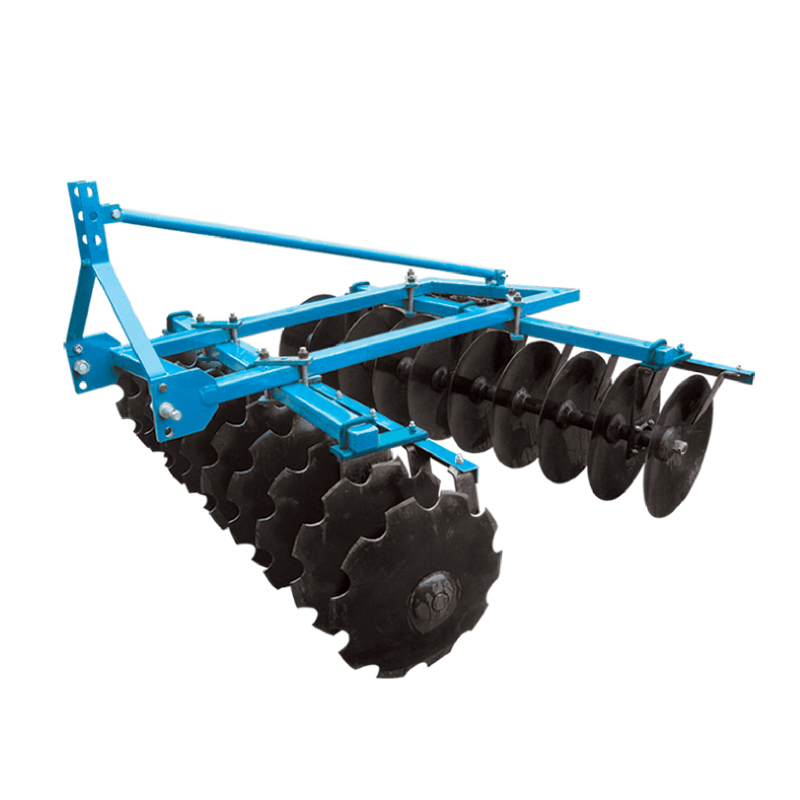
In recent years, the agricultural industry has undergone a significant transformation, driven by technological advancements that aim to enhance productivity and sustainability. Among the most groundbreaking innovations are Artificial Intelligence (AI) and the Internet of Things (IoT), which are revolutionizing the way modern agricultural machines operate. These technologies are not just making farming more efficient—they are shaping the future of food production. Land Preparation Cultivator.
Precision Agriculture and Data-Driven Decisions
AI and IoT have paved the way for precision agriculture, a farming management approach that uses detailed data to optimize crop yields and resource use. IoT devices, such as soil sensors, weather stations, and GPS-equipped tractors, collect real-time data on various environmental conditions. This data is then analyzed by AI algorithms to inform decisions on irrigation, fertilization, and pest control.
For example, smart irrigation systems use soil moisture sensors connected to IoT networks to determine the optimal amount of water needed for crops. AI analyzes historical weather data and soil conditions to automate watering schedules, conserving water while ensuring crop health.
Automation and Autonomous Machinery
One of the most visible impacts of AI in agriculture is the development of autonomous farming equipment. Self-driving tractors and harvesters use computer vision, machine learning, and GPS to navigate fields with minimal human input. These machines can perform tasks like plowing, planting, and harvesting with high precision, reducing labor costs and human error.
AI-powered drones are also being used for crop monitoring and spraying. These drones can identify problem areas in a field using multispectral imaging and apply treatments only where necessary. This targeted approach minimizes chemical use and boosts efficiency.
Predictive Maintenance and Equipment Optimization
IoT sensors embedded in modern agricultural machines track performance metrics in real time, including engine temperature, fuel usage, and mechanical wear. AI systems analyze this data to predict when a machine is likely to fail or require maintenance. This predictive maintenance helps prevent costly breakdowns during critical farming periods, increasing the lifespan of machinery and reducing downtime.
Additionally, AI can optimize machine performance by adjusting settings in real time based on field conditions. For instance, a smart combine harvester can adjust its speed and blade height automatically, ensuring maximum efficiency and grain recovery.
Sustainability and Environmental Impact
By improving efficiency and resource management, AI and IoT also contribute to more sustainable farming practices. Reduced use of water, fertilizers, and pesticides not only cuts costs for farmers but also minimizes the environmental footprint of agriculture. AI models can also help farmers transition to more sustainable crop rotations and land-use strategies by forecasting long-term soil health and market demand.
Conclusion
The integration of AI and IoT into modern agricultural machines marks a paradigm shift in farming. These technologies empower farmers with data-driven insights, improve operational efficiency, reduce environmental impact, and pave the way for a more sustainable and productive future. As global demand for food continues to rise, the continued evolution of smart agricultural technologies will be crucial in feeding the world efficiently and responsibly.