
A beautiful lawn is the pride of any homeowner. However, maintaining lush green grass is easier said than done. Often, despite your efforts, your lawn may appear unhealthy, patchy, or dull.
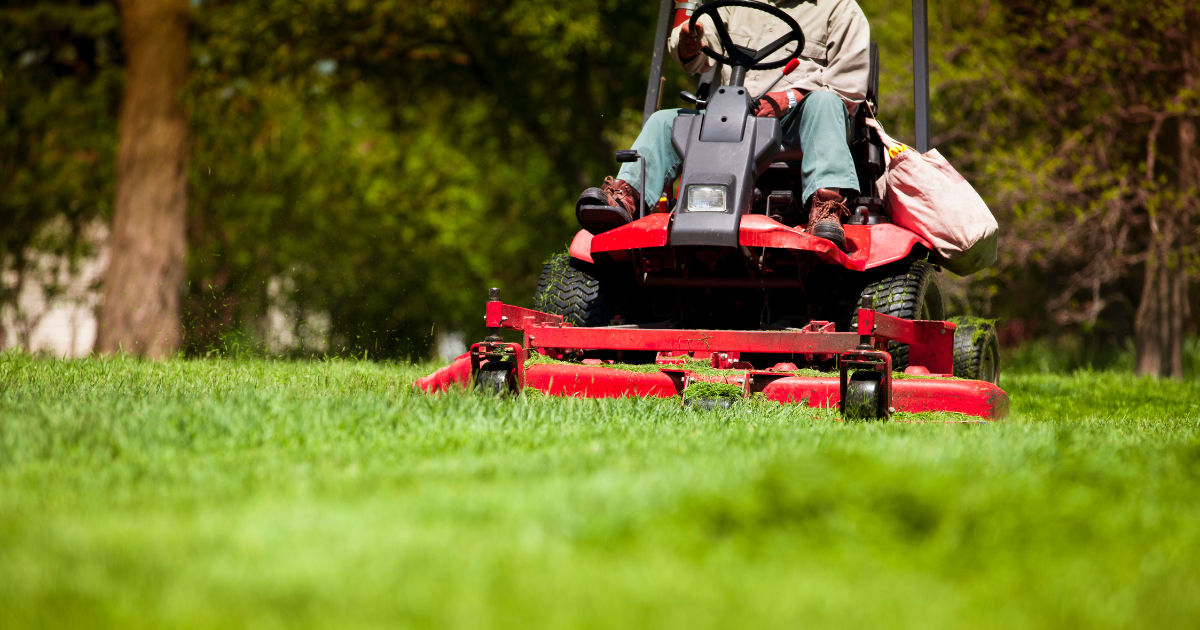
Diagnosing problems in your lawn care and maintenance routine is essential to restore your grass to its vibrant, healthy state. By identifying the root causes of issues early, you can save time, money, and frustration.
In this guide, we will explore common lawn problems, their symptoms, and effective strategies to correct them. Whether you are a seasoned gardener or a beginner, understanding your lawn’s needs is key to success.
Understanding the Basics of Lawn Health
Before diagnosing problems, it’s important to understand what constitutes a healthy lawn. A thriving lawn is characterized by:
-
Uniform green color
-
Dense grass coverage
-
Strong root system
-
Resistance to pests and diseases
Your lawn care and maintenance routine should focus on these fundamentals. Problems often arise when one or more of these factors are neglected.
Common Signs of Lawn Problems
Recognizing the signs of trouble early is the first step in diagnosing issues. Here are the most common indicators:
Uneven Color or Yellowing Grass
If patches of your lawn are turning yellow or brown, it might be a sign of nutrient deficiency, overwatering, or disease.
Thin or Sparse Grass
A lawn with thin or bare patches often indicates poor soil, insufficient sunlight, or improper mowing practices.
Weeds and Unwanted Plants
An increase in weeds suggests competition for nutrients or a weakened lawn that cannot sustain healthy grass.
Pest Infestation
Visible insects, holes, or chewed grass blades are signs of pests. Common culprits include grubs, chinch bugs, and sod webworms.
Poor Soil Quality
Compacted or poorly draining soil prevents roots from growing strong and absorbing nutrients.
Moss Growth
Moss often appears in areas where grass struggles to grow due to shade, poor soil, or excessive moisture.
Diagnosing Soil Problems
The foundation of any healthy lawn is its soil. Without fertile, well-drained soil, your grass will struggle no matter how diligent your lawn care and maintenance routine is.
Conduct a Soil Test
A soil test helps determine pH levels, nutrient content, and soil composition. Most lawns prefer a slightly acidic to neutral pH (6.0–7.0). Deficiencies in nitrogen, phosphorus, or potassium can result in poor growth.
Check Soil Compaction
Compacted soil prevents water and nutrients from reaching roots. Test by pushing a screwdriver into the ground. If it’s difficult to penetrate, your soil may need aeration.
Examine Drainage
Poor drainage leads to standing water and root rot. Observe your lawn after a heavy rain. Water pooling for hours indicates a drainage problem that requires fixing.
Evaluating Watering Practices
Watering is a critical component of lawn care and maintenance, but both overwatering and underwatering can harm your grass.
Signs of Overwatering
-
Yellowing or wilting grass
-
Fungal growth
-
Soft, spongy soil
Signs of Underwatering
-
Dry, brown patches
-
Crispy leaf tips
-
Slow growth
Best Watering Practices
-
Water deeply and infrequently
-
Aim for 1–1.5 inches of water per week
-
Water early in the morning to reduce evaporation
Identifying Mowing Issues
Mowing might seem simple, but mistakes can create serious lawn problems.
Incorrect Mowing Height
Cutting grass too short stresses the roots, while leaving it too tall can encourage disease and pests. Most lawns thrive when cut to 2.5–3.5 inches.
Dull Mower Blades
Dull blades tear grass instead of cutting it cleanly, leaving jagged edges that invite disease.
Mowing Frequency
Frequent mowing during slow growth periods can stress your lawn. Follow a schedule that aligns with seasonal growth patterns.
Nutrient Deficiencies
A balanced fertilizer plan is crucial in lawn care and maintenance. Nutrient deficiencies often manifest in color changes, slow growth, and poor root development.
Nitrogen Deficiency
-
Grass appears pale green or yellow
-
Growth is slow
Phosphorus Deficiency
-
Weak root systems
-
Poor establishment in new lawns
Potassium Deficiency
-
Brown leaf edges
-
Susceptibility to drought and disease
Correcting Deficiencies
-
Apply fertilizers according to soil test results
-
Use slow-release fertilizers for steady nutrient supply
-
Avoid over-fertilization, which can harm your lawn
Dealing with Pests and Diseases
Pests and diseases can quickly destroy a lawn if left unchecked.
Common Lawn Pests
-
Grubs: Feed on roots, causing dead patches
-
Chinch Bugs: Suck sap, leaving yellow or brown areas
-
Sod Webworms: Chew grass blades at night
Signs of Disease
-
Brown patches with circular patterns
-
Mold or fungus on the surface
-
Grass blades with spots or lesions
Prevention and Treatment
-
Rotate fertilizers and avoid excess nitrogen
-
Maintain proper watering and mowing practices
-
Use organic or chemical treatments as necessary
Combatting Weed Infestation
Weeds compete with grass for nutrients, water, and sunlight.
Common Weeds
-
Dandelions: Perennial weeds with deep roots
-
Crabgrass: Annual weed that spreads rapidly
-
Clover: Nitrogen-fixing weed that thrives in poor soil
Prevention
-
Maintain a dense, healthy lawn
-
Apply pre-emergent herbicides in spring
-
Pull weeds manually before they set seed
Treatment
-
Use selective herbicides for specific weeds
-
Avoid broad-spectrum herbicides that harm grass
-
Repeat treatments as necessary to prevent regrowth
Seasonal Lawn Care Diagnostics
Different seasons bring unique challenges. Understanding seasonal patterns is key to effective lawn care and maintenance.
Spring
-
Focus on fertilization and soil aeration
-
Monitor for fungal diseases after heavy rains
-
Oversee weed emergence and control early
Summer
-
Increase watering during hot months
-
Raise mowing height to protect roots
-
Watch for pest infestations
Fall
-
Overseed bare patches
-
Apply slow-release fertilizer
-
Aerate soil to relieve compaction
Winter
-
Reduce mowing frequency
-
Avoid walking on frozen grass
-
Prepare lawn for early spring growth
Using Diagnostic Tools
Several tools can help identify lawn problems accurately:
-
Soil Test Kits: Assess pH and nutrient levels
-
Moisture Meters: Monitor soil hydration
-
Magnifying Glass: Identify pests and disease symptoms
-
Lawn Health Apps: Use images and algorithms to detect issues
Common Mistakes in Lawn Care
Even experienced gardeners make errors. Awareness is the first step to improvement.
-
Overwatering or underwatering
-
Using the wrong fertilizer or applying it incorrectly
-
Ignoring soil compaction
-
Mowing at the wrong height or frequency
-
Delaying pest and weed control
Correcting these mistakes early improves long-term lawn health.
Developing a Lawn Care Action Plan
Once problems are diagnosed, creating a structured plan ensures success.
-
Assess lawn health and identify issues
-
Prioritize problems based on severity
-
Correct soil deficiencies
-
Adjust watering and mowing practices
-
Treat pests and diseases
-
Control weeds
-
Monitor progress and adjust care routine
Consistent lawn care and maintenance will restore your grass to a lush, healthy state.
Tips for Long-Term Lawn Health
-
Maintain proper mowing height and frequency
-
Aerate soil annually
-
Fertilize according to seasonal needs
-
Monitor and adjust watering practices
-
Remove weeds promptly
-
Inspect for pests and diseases regularly
With careful attention and regular care, your lawn can thrive year-round.
Conclusion
Diagnosing problems in your lawn care and maintenance routine requires observation, knowledge, and action. By recognizing early warning signs such as yellowing grass, thinning patches, pest infestations, and soil issues, you can identify the underlying causes and take corrective measures. Maintaining a consistent schedule for watering, mowing, fertilizing, and pest control is essential to sustain a healthy lawn. Using diagnostic tools, understanding seasonal care requirements, and avoiding common mistakes will make your lawn resilient, beautiful, and lush. Remember, the key to a thriving lawn is not just treatment but prevention, and small, consistent efforts over time yield the best results. By following these guidelines, you can enjoy a lawn that is not only aesthetically pleasing but also strong, vibrant, and healthy for years to come.