
Introduction — a shop floor moment, numbers, and a question
I once stood in a small Dublin workshop as a machinist told me about a late-night job that nearly cost them a client — the part looked fine, but the tolerances were off. CNC machining solutions were on the table as the fix the following morning. The shop had three machines, two experienced operators, and downtime that summed to nearly 12% of their monthly hours (the invoice was shrinking fast). So I asked aloud: how do we get better results without burning cash or morale? (Aye, the sort of thing you chew over with a cup of tea.)
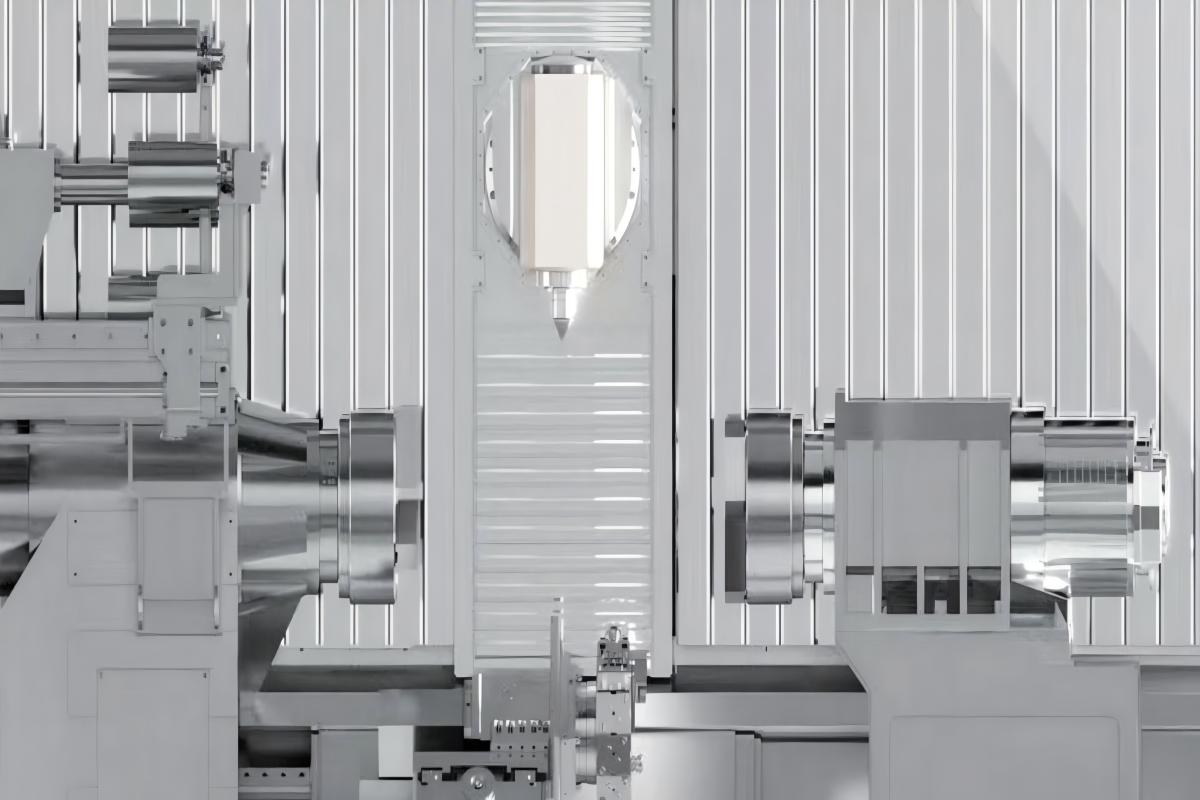
I want to share what I’ve learned in plain language. I’ll point out practical trade-offs, the small fixes that matter, and where tech can actually save you time. We’ll look at toolpath choices, spindle speed settings, and where automation helps the most — leaning on solid data but keeping it Irish-simple. Now let’s step into the nuts and bolts.
Part 2 — Why traditional fixes fall short in cnc automation
cnc automation is billed as the cure-all, yet I still see the same problems. Shops invest in one-size-fits-all systems that promise lights-out machining, then wonder why parts still need hand rework. The core issue is mismatch: software assumes consistent fixturing and perfect tool life. Reality is messier — fixtures shift, cutting tools dull unevenly, and the control loops can’t cope with thermal drift. Look, it’s simpler than you think: you can’t treat every part like it came from the same setup.
What usually goes wrong?
First, older PLC-driven lines and manual sensor checks lag behind modern demands. Second, poorly tuned toolpath optimization throws away seconds that add up. Third, operators are often left out of the automation conversation — which is a shame, because their hands-on knowledge matters. I’ve watched teams replace a whole control unit when a spindle speed table tweak would have fixed it. — funny how that works, right?
Part 3 — Case outlook: where the next gains will come from
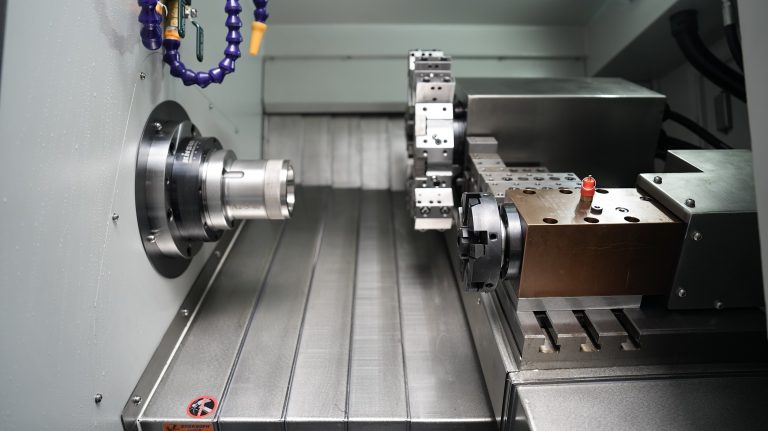
Looking ahead, I favour a mix of modest upgrades and smart integration rather than full rip-and-replace. Consider a regional aerospace shop I visited: they moved toward adaptive toolpath strategies for their turbine housings and then paired that with inline metrology. The project focused on cnc machining for aerospace parts and it delivered tighter tolerances with less scrap. The trick was small, iterative improvements — better fixturing, updated cutting tool inventories, and a brief retrofit of edge computing nodes to run local analytics.
Real-world Impact — What changed?
They improved first-pass yield by a clear margin and cut manual rework by nearly half. The investment was not dramatic. It was targeted: calibration routines were automated, spindle speed tables adjusted dynamically, and a handful of power converters were upgraded to stabilize feeds. I can tell you, the operators breathed easier. The plant ran smoother — and morale rose alongside productivity.
Conclusion — three simple metrics to evaluate solutions
If you’re choosing a path forward, measure by these three things: 1) First-pass yield improvement (does the solution reduce rework?), 2) Mean time to adjust (how quickly can operators tune the system?), and 3) Data clarity (are analytics actionable on the shop floor?). I’d add one more thought: talk to your people early. They’ll save you time and cash. I’ve seen clever tech fail because it ignored human workflow — don’t let that be you.
We’ve covered mismatch, modest retrofits, and a practical case where targeted changes beat wholesale replacement. If you want a partner-minded approach that balances kit and craft, take a look at Leichman — they present real, hands-on options without the fluff. I’ll sign off with this: choose small wins that stack into real performance. You’ll sleep better. — and that matters.